
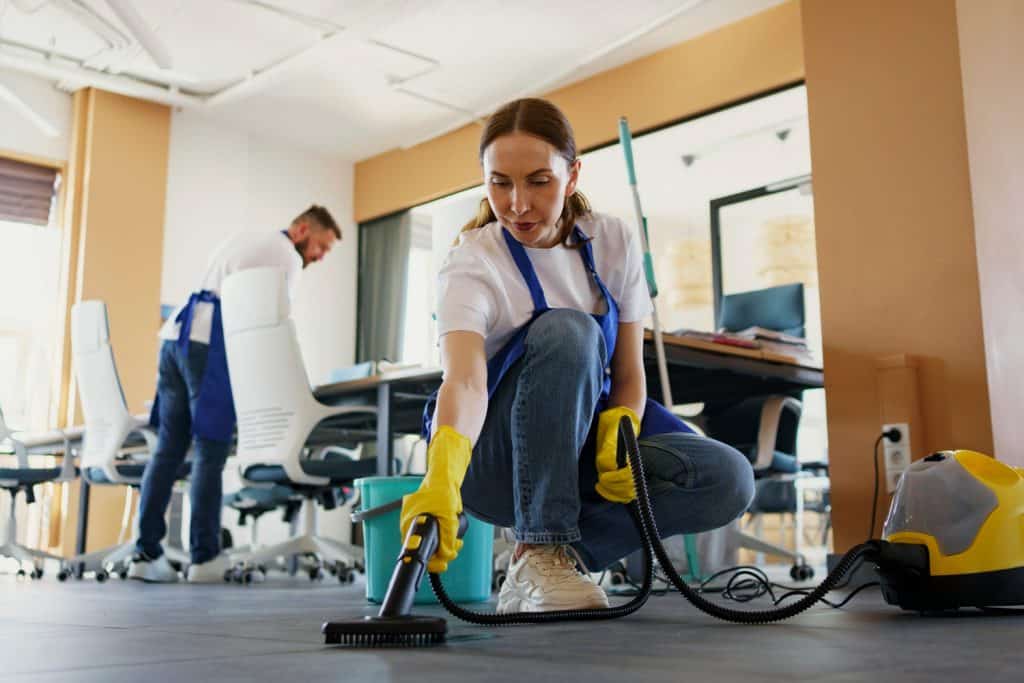
Floor cleaning is an essential part of household maintenance, but many people make mistakes that can lead to long-term damage. Whether it’s improper cleaning techniques, the wrong products, or neglecting regular maintenance, these errors can cause floors to deteriorate, resulting in a worn-out appearance and reduced lifespan. In this blog, we’ll dive into the most common floor cleaning mistakes and explain how to avoid them.
1. Using the Wrong Cleaning Products
One of the most frequent floor cleaning mistakes is using the wrong products for a particular floor type. Each material requires a specific kind of care, and failing to use appropriate cleaners can cause irreversible damage. For instance, harsh chemicals can strip away protective finishes on wood floors or damage grout on tile floors. Here’s a quick overview of the damage caused by incorrect products:
-
Wood floors: Harsh chemicals, bleach, or vinegar can cause the wood to lose its protective coating, making it more vulnerable to moisture and scratches.
-
Tile and stone floors: Acidic cleaners can damage grout and erode the surface of natural stone.
-
Carpets: Strong cleaners and excess moisture can weaken carpet fibers, leading to stains and long-term wear.
To avoid these issues, always follow the manufacturer’s recommendations for your floor type. If unsure, opt for milder, pH-balanced cleaners specifically designed for your flooring.
2. Using Excessive Water
While water is essential for cleaning, using too much moisture can lead to significant damage. This is particularly true for wood, laminate, and carpets. Water should be used sparingly, especially on surfaces that are prone to moisture damage. Excessive moisture can:
-
Wood and laminate floors: Moisture can seep into seams or cracks, causing warping, swelling, and even the growth of mold or mildew.
-
Carpets: Over-wetting carpets creates an environment conducive to mold and mildew growth, leading to unpleasant odors and potential health issues.
It’s important to always use a well-wrung mop or damp cloth when cleaning wood and laminate floors. For carpets, clean with a minimal amount of water and ensure the area is thoroughly dried after cleaning.
3. Failing to Sweep or Vacuum Regularly
Another common mistake is neglecting to sweep or vacuum your floors regularly. Dirt, dust, and debris are a primary cause of scratches and scuffs, especially on high-traffic floors. When grit is left on the floor, it acts like sandpaper when walked on, gradually wearing down the surface. Here’s how neglecting to clean regularly can affect different floor types:
-
Hardwood floors: Dirt and dust can create visible scratches, making the surface look dull.
-
Carpets: Embedded dirt can damage carpet fibers, causing them to wear down prematurely and become matted.
By simply vacuuming or sweeping your floors once a week, you can significantly reduce the buildup of dirt and protect your floor’s finish. For high-traffic areas, more frequent vacuuming can prevent excessive wear.
4. Using Abrasive Tools
Another serious mistake is using abrasive cleaning tools. Steel wool, rough scrubbing sponges, or hard-bristled brushes might seem like effective cleaning solutions, but they can cause lasting damage. These tools can scratch or dull your floors, making them more susceptible to dirt and stains. Here’s how abrasive tools affect different floor types:
-
Wood floors: Steel wool or rough brushes can leave deep scratches in the wood, making the finish look worn and uneven.
-
Tile floors: Harsh sponges can scratch tiles and wear down grout, causing discoloration over time.
-
Carpets: Scrubbing carpets with hard brushes can pull at fibers, leading to bald patches and damaged areas.
To prevent this, always use soft cloths, microfiber mops, or specialized cleaning tools made for your floor type.
5. Ignoring Spills and Stains
Ignoring spills is another common cleaning mistake that can lead to lasting damage. Spills, especially sticky or acidic substances, can seep into the floor’s surface, causing staining and even permanent damage if left untreated. Here’s how spills can affect different floors:
-
Wood floors: Liquids can penetrate the wood, leading to staining, warping, and even cracking if not wiped up immediately.
-
Carpet: Spilled liquids can soak into carpet fibers and cause stains, odors, or mold growth if not cleaned promptly.
-
Tile floors: Acidic substances like vinegar or coffee can etch the surface of tiles or grout, causing permanent discoloration.
Promptly cleaning up spills is crucial. For wood floors, wipe up liquids immediately with a dry cloth. For carpets, blot the stain instead of rubbing it, and for tiles, wipe away spills as soon as possible to prevent long-term staining.
6. Using Harsh Chemicals
It might be tempting to use powerful chemical cleaners to get a deeper clean, but doing so can have long-term consequences. Harsh chemicals can strip protective layers, damage surfaces, and create residue that attracts dirt. Here’s why some chemicals should be avoided:
-
Wood floors: Strong chemicals break down the finish, dulling the appearance and leaving the wood vulnerable to scratches.
-
Stone floors: Acidic cleaners can erode the surface of marble, granite, and other natural stones.
-
Carpets: Strong cleaners can damage fibers and leave residue that makes carpets attract more dirt.
For effective and safe cleaning, always use mild or pH-balanced solutions designed for your floor type. Always follow the manufacturer’s recommendations to avoid damaging the surface.
7. Failing to Maintain Floors Properly
Proper floor maintenance is just as important as cleaning. Neglecting to reseal grout, apply finish on wood floors, or polish surfaces can cause significant damage over time. Here’s why floor maintenance matters:
-
Wood floors: Regularly apply wood floor polish or protective finishes to maintain shine and prevent scratches.
-
Tile floors: Reseal grout lines every year to prevent moisture from seeping in and causing staining.
-
Carpets: Regularly clean carpets with deep cleaning solutions to remove embedded dirt and refresh the fibers.
Routine maintenance will not only keep your floors looking good but also extend their life, saving you money in the long run.
Avoiding these common floor cleaning mistakes can prevent long-term damage and keep your floors looking great for years to come. By using the correct products, avoiding excess moisture, regularly cleaning, and maintaining your floors, you can ensure their longevity. Always follow the manufacturer’s guidelines for cleaning and maintenance to keep your floors in excellent condition.