
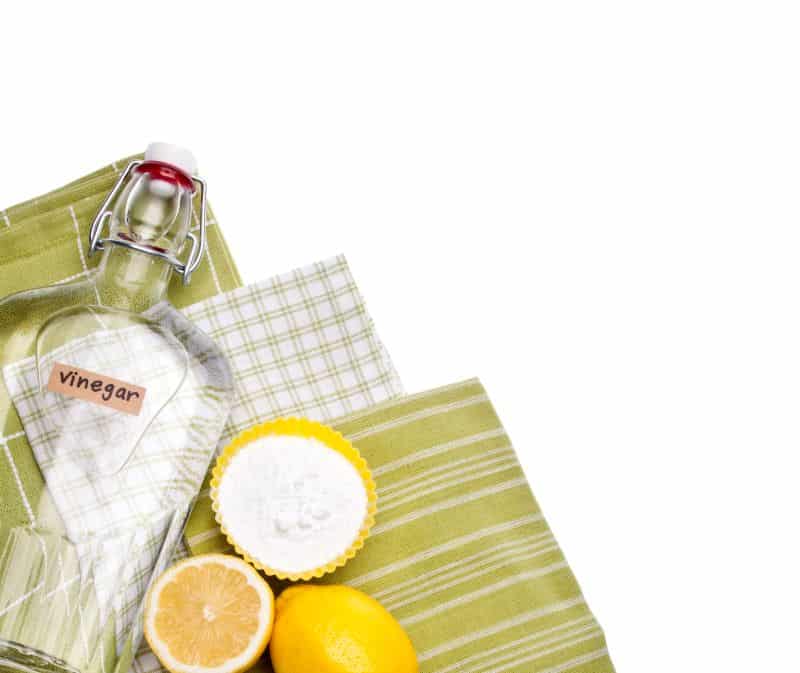
Natural cleaning ingredients are often seen as safer alternatives to chemical cleaners. However, “natural” does not always mean harmless, especially when ingredients are mixed incorrectly. Understanding which natural cleaning ingredients should never be mixed is essential for keeping your home safe and your cleaners effective.
Some combinations don’t just stop working. They can be dangerous.
Why Mixing Natural Cleaners Can Be Risky
Many DIY cleaning recipes come from social media or word of mouth. Unfortunately, not all of them are based on chemistry.
Mixing the wrong ingredients can:
-
Cancel out cleaning power
-
Release harmful gases
-
Create skin or eye irritation
-
Damage surfaces
For this reason, knowing what not to mix is just as important as knowing what works.
Vinegar and Baking Soda
This is the most common mistake.
Why You Shouldn’t Mix Them
Vinegar is acidic, and baking soda is alkaline. When combined, they neutralize each other.
What happens:
-
Lots of fizz
-
Little cleaning power left
The reaction looks impressive, but it mostly creates salty water and carbon dioxide.
Better Use
-
Use baking soda alone for scrubbing
-
Use vinegar alone for mineral buildup
Vinegar and Hydrogen Peroxide
This combination can be dangerous.
Why It’s Unsafe
When vinegar and hydrogen peroxide mix, they form peracetic acid, which can be corrosive.
Risks include:
-
Skin and eye irritation
-
Breathing discomfort
-
Surface damage
Better Use
Use these ingredients separately, never together or in the same container.
Vinegar and Castile Soap
This mix doesn’t clean the way people expect.
Why It Doesn’t Work
Vinegar breaks down soap molecules, turning them into a sticky residue.
Results:
-
Film left on surfaces
-
Reduced cleaning effectiveness
Better Use
Use Castile soap with water only, without vinegar.
Baking Soda and Castile Soap
This combination reduces cleaning power.
Why to Avoid It
Baking soda raises the pH too much, which weakens the soap’s ability to break down grease.
Better Use
Use baking soda for scrubbing and Castile soap for washing—but not together.
Lemon Juice and Baking Soda
This mix has the same issue as vinegar and baking soda.
What Goes Wrong
Lemon juice is acidic, so it neutralizes baking soda.
Result:
-
Minimal cleaning power
-
Mostly bubbles
Better Use
Use lemon juice alone for deodorizing or light grease cutting.
Lemon Juice and Hydrogen Peroxide
This mix can irritate skin and eyes.
Why It’s Risky
Both ingredients are mildly reactive. Combined, they can increase sensitivity and surface damage.
Better Use
Stick to using them separately and in diluted form.
Essential Oils and Vinegar (In Large Amounts)
Small amounts are usually fine, but large amounts can cause problems.
Potential Issues
-
Strong fumes
-
Skin irritation
-
Reduced effectiveness
Better Use
Add only a few drops of essential oil, and avoid mixing multiple strong oils together.
What Natural Ingredients Are Safe to Use Alone?
These ingredients work best when used correctly and separately:
-
Vinegar
-
Baking soda
-
Castile soap
-
Hydrogen peroxide
-
Lemon juice
Simple, single-purpose cleaners are safer and more effective.
Common Myths About Natural Cleaner Mixing
Myth: More ingredients = stronger cleaner
Truth: Simple formulas work better
Myth: If it bubbles, it’s cleaning
Truth: Bubbling doesn’t equal effectiveness
Myth: Natural mixes can’t be dangerous
Truth: Some combinations are harmful
Safe Tips for Using Natural Cleaning Ingredients
To stay safe:
-
Never mix ingredients unless the recipe is proven
-
Label all DIY cleaners
-
Use one main active ingredient per recipe
-
Store cleaners separately
When in doubt, don’t mix.
Knowing which natural cleaning ingredients should never be mixed helps protect your health, your home, and your cleaning results. Many popular DIY combinations cancel each other out or create unsafe reactions. Simple, single-ingredient cleaners are often the safest and most effective choice.
When it comes to natural cleaning, less really is more.