
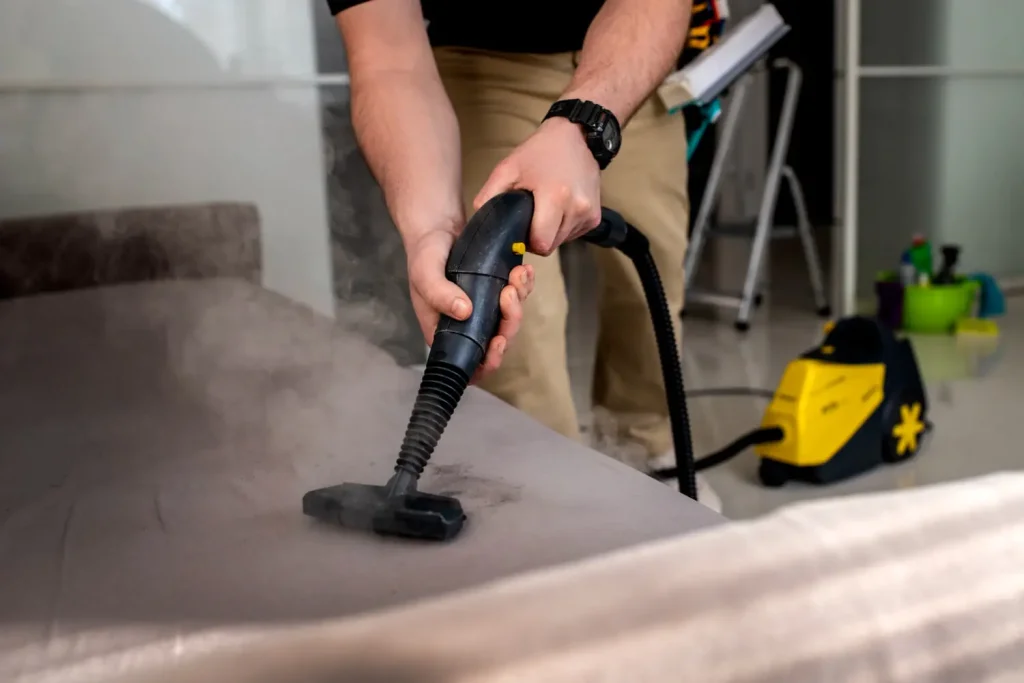
After a renovation project, cleaning your home is a crucial task to make sure the clean home after renovation is not only visually appealing but also healthy and safe. Renovation projects often leave behind a lot of dust, debris, and construction residue. To truly enjoy the benefits of your hard work, you’ll need to clean your home after renovation the right way. In this guide, we’ll walk you through the steps to get your home back in tip-top shape so you can enjoy your beautiful space without the mess.
1. Start by Removing Large Debris
Before you get into the finer details, the first step to a clean home after renovation is to remove large debris. Whether it’s wood scraps, nails, or leftover materials from the renovation, clearing the area of big items is essential.
What to Do:
-
Collect construction debris: Use a broom or shop vac to clear large debris like sawdust, drywall scraps, and leftover packaging materials.
-
Check for nails and screws: These small objects can be easily missed but are dangerous if left lying around, especially with kids or pets in the house.
2. Dust and Vacuum Every Surface
After removing large debris, it’s time to address the dust. Renovation dust is much finer than everyday dust and can settle on everything, from floors to furniture. To clean your home after renovation properly, you’ll need to give every surface a thorough dusting and vacuuming.
What to Do:
-
Dust all surfaces: Use a microfiber cloth to wipe down shelves, windowsills, and other surfaces that may have collected dust.
-
Vacuum the floors: A vacuum with a HEPA filter is essential for picking up fine dust that may be missed by regular vacuums. Don’t forget to focus on high-traffic areas.
-
Vacuum upholstered furniture: Furniture can collect dust just like floors. Use a vacuum’s upholstery attachment to clean sofas, chairs, and cushions.
3. Clean Windows and Window Treatments
Windows are another area that gathers a lot of dust and debris after a renovation. Dust can settle on the glass and window treatments, so it’s important to clean them as part of your post-renovation cleaning.
What to Do:
-
Clean the windows: Use a glass cleaner and a microfiber cloth to clean both the inside and outside of the windows.
-
Clean window treatments: For blinds, dust them with a microfiber cloth, or use a specialized cleaning tool. Curtains and drapes should be washed or dry cleaned as needed.
4. Focus on Floors
Your floors will likely be the dirtiest part of the house after renovation, with dust, dirt, and debris everywhere. Whether you have tile, hardwood, laminate, or carpet, make sure to give your floors extra attention.
What to Do:
-
For hardwood floors: Use a microfiber mop to clean the floors, being careful not to use too much water, as this can damage the wood.
-
For tile floors: Vacuum and then mop with warm water and a mild cleaner. Pay special attention to grout lines where dust can accumulate.
-
For carpets: Vacuum carpets multiple times to ensure dust and dirt are removed. For stubborn stains, consider using a carpet cleaner.
-
For laminate floors: Clean with a damp mop and a mild floor cleaner. Make sure to avoid excess water to prevent damage.
5. Remove Paint and Adhesive Stains
If your renovation involved painting or using adhesives, you may have paint splatters or glue stains left behind. These stains can be tough to remove but are crucial to get rid of if you want a clean home after renovation.
What to Do:
-
For paint splatters: Use a paint remover or acetone (nail polish remover) to gently clean paint off floors and walls.
-
For adhesive stains: Apply an adhesive remover to dissolve the glue and wipe it away with a clean cloth.
6. Deep Clean the Bathrooms and Kitchen
The bathroom and kitchen often require extra attention after a renovation, as they are commonly used during the renovation process and can accumulate dust and debris. Properly cleaning these rooms will ensure they are ready to be used again.
What to Do:
-
Clean countertops and sinks: Wipe down all surfaces to remove dust and dirt.
-
Sanitize high-touch areas: Use disinfectant wipes or sprays on light switches, faucets, and door handles.
-
Clean tiles and grout: Scrub bathroom and kitchen tiles, making sure to clean grout lines where dust and dirt accumulate.
7. Final Touches: Dispose of Trash and Ventilate
Once you’ve cleaned all surfaces, don’t forget to dispose of any leftover construction trash. Also, air out your home to get rid of lingering smells from construction materials.
What to Do:
-
Dispose of trash: Take out any leftover construction materials, packaging, and general garbage.
-
Ventilate your home: Open the windows and let the fresh air circulate to remove any lingering construction smells or dust.