
Heading out on a long trip is an exciting adventure, but it’s crucial to prepare your home for travel before you leave. Whether you’re going away for a weekend or several weeks, proper preparation can ensure that you return to a safe, clean, and secure home.
1. Ensure Home Security
The first and most important step when you prepare your home for travel is to ensure it is secure. Unfortunately, empty homes are often targeted by burglars. To prevent this, take necessary precautions to protect your property while you’re away.
Lock All Doors and Windows
Go through your home and double-check that all doors and windows are securely locked. Don’t forget sliding glass doors, which can often be overlooked. Consider reinforcing weak entry points with extra locks or security bars. It’s also a good idea to install a smart lock or digital key system for added convenience and security.
Set Up Timers for Lights
A dark, empty house is an obvious sign that no one is home. You can prevent this by using light timers or smart lightbulbs to make it look like someone is still around. Set the timers so that lights go on and off at different times throughout the day. This can help deter burglars, as they might think the house is occupied even when it’s not.
Inform a Trusted Neighbor
If possible, inform a trusted neighbor about your absence. Give them a spare key to your home so they can check on it if needed. Ask them to collect your mail, park in your driveway occasionally, and keep an eye out for any suspicious activity. Some neighbors might even be willing to help you with pet care or plant watering while you’re away.
2. Unplug Electronics and Appliances
Unplugging your electronics and appliances is a simple but effective way to prepare your home for travel. Not only will this help reduce fire hazards, but it also saves energy.
Prevent Fire Hazards
Small appliances such as toasters, microwaves, and coffee makers can be fire hazards if left plugged in. Unplug them to eliminate the risk. Additionally, unplug TVs, computers, and chargers. These devices draw power even when they’re turned off, which not only wastes electricity but can also cause overheating or damage.
Save Energy
Unplugging devices you don’t need is an easy way to lower your electricity bill. Many electronics continue to consume power even when they’re not in use, this is known as phantom power. By unplugging your appliances, you can save both energy and money while you’re away.
3. Clean Your Home Thoroughly
One of the best ways to prepare for a trip is to leave behind a clean home. It’s always pleasant to return to a neat and organized house, and cleaning before you leave helps prevent unpleasant odors or pests from invading.
Clean the Kitchen
Start by cleaning the kitchen, one of the most important rooms to tidy before you leave. Empty the refrigerator of perishable items like dairy, meat, or leftovers to avoid food spoilage while you’re away. Don’t forget to wipe down counters, sinks, and stove tops to remove any crumbs or food debris. For added peace of mind, consider running the garbage disposal and taking out the trash to eliminate any lingering smells.
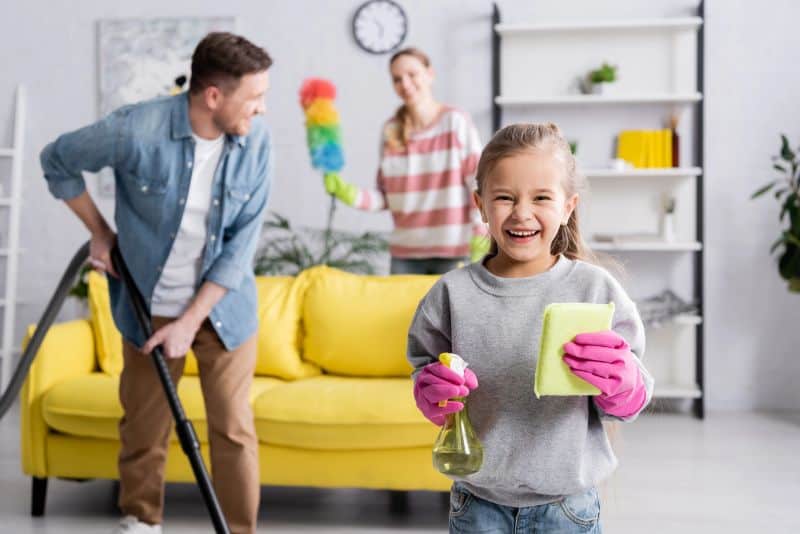
Vacuum and Dust
Dust and vacuum high-traffic areas of your home to prevent dirt and dust from accumulating while you’re gone. Pay special attention to carpets, hardwood floors, and baseboards—areas that often collect dust. Don’t forget to clean under furniture and appliances, where dust and debris tend to hide.
Take Out the Trash
Empty all the trash bins in your home, including those in the kitchen, bathrooms, and bedrooms. This will keep your home smelling fresh and prevent any mold or bacteria from developing while you’re gone. Ensure that your recycling is also properly sorted and disposed of before you leave.
4. Handle Plants and Pets
Whether you have plants or pets, taking care of them is crucial when you prepare your home for travel. If left unattended, your plants and pets could suffer from neglect.
Water Plants
If you’re leaving for more than a few days, consider how your plants will be watered. If a friend or neighbor is willing to help, ask them to water your plants regularly. Alternatively, set up an automatic watering system or use self-watering planters. For longer trips, you might also want to use a bathtub watering method, where plants are submerged in water for a few hours to absorb moisture.
Arrange Pet Care
For pet owners, arranging care for your pets is a must. Pet sitters, dog walkers, or trusted friends or family can help care for your pets while you’re away. Make sure to leave detailed instructions about their feeding schedule, exercise routine, and any special needs. Also, provide a contact number for emergencies, as well as your veterinarian’s information.
5. Check Heating and Cooling Systems
To avoid energy waste and potential damage while you’re away, it’s essential to adjust your heating and cooling systems accordingly.
Set Thermostat to an Efficient Temperature
Set your thermostat to a safe, energy-efficient temperature. During winter, keep your home warm enough to prevent pipes from freezing (around 55°F). In summer, set your air conditioning to a higher temperature to conserve energy. If you have a smart thermostat, you can adjust the temperature remotely, which offers greater control while you’re away.
Turn Off Water Supply (Optional)
In case of extended travel, consider turning off your water supply to prevent potential leaks or flooding while you’re gone. Draining the pipes can also prevent water from freezing in colder months.
6. Secure Important Documents and Valuables
Before you leave, make sure that valuable items and important documents are securely stored. This step is crucial for your peace of mind.
Use a Safe
Store documents such as passports, insurance policies, and bank statements in a fireproof safe or safety deposit box. For irreplaceable items like jewelry or heirlooms, it’s safer to take them with you or store them in a bank’s safe deposit box.
Hide Valuables
If you prefer to keep your valuables at home, be sure to hide them in inconspicuous spots. Avoid leaving expensive items in plain sight, as this can tempt burglars.
7. Double-Check Everything
Before you finally leave, take a last walk-through of your home to ensure you haven’t forgotten anything. Check that all windows and doors are locked, lights are set on timers, and that your pet and plant care arrangements are in place.
Final Security Check
Make sure all security systems are activated, and give your neighbor or trusted friend all necessary emergency contact information. If you have an alarm system, confirm it’s armed before you leave.